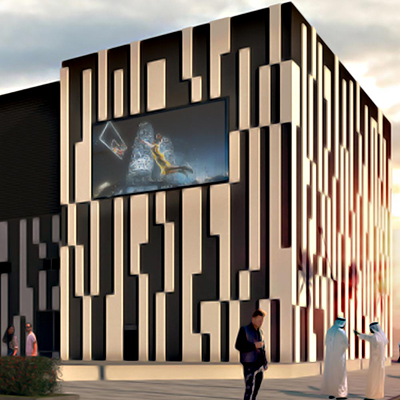
INSIDE OH: OUR COLLABORATIVE DESIGN WORKSHOP

In this article

A behind-the-scenes look at how we iterate designs from sketches to 3D models.

rootal

You may also link.

The Future of Digital Marketing in 2026

Digital marketing continues to evolve rapidly as technology, consumer behavior, and online platforms change. Businesses that adapt to these changes are more likely to reach their target audiences effectively and achieve sustainable growth.

The Rise of Artificial Intelligence

Artificial Intelligence (AI) has become a powerful tool in digital marketing. From personalized recommendations to automated customer support, AI helps businesses deliver better user experiences. Marketers can now analyze customer data more efficiently and create targeted campaigns that improve engagement and conversions.

Importance of High-Quality Content

Content remains one of the most valuable assets for any business. Well-written blogs, videos, infographics, and social media posts help brands establish authority and build trust with their audiences. Companies that consistently provide valuable content are more likely to attract and retain customers.

Mobile-First Experience

With the majority of internet users browsing on mobile devices, businesses must ensure their websites are mobile-friendly. Fast loading speeds, responsive designs, and intuitive navigation contribute to a better user experience and improved search engine rankings.

Search Engine Optimization (SEO)

SEO continues to play a critical role in online visibility. Search engines prioritize websites that offer relevant, high-quality content and a positive user experience. Regular optimization of website content, technical performance, and backlink profiles can help businesses achieve higher rankings and increased organic traffic.

Social Media Engagement

Social media platforms provide opportunities for brands to connect directly with their audiences. Engaging content, community interaction, and authentic communication can strengthen customer relationships and increase brand awareness.

Conclusion

The future of digital marketing is driven by innovation, personalization, and customer-centric strategies. Businesses that embrace new technologies while focusing on delivering value to their audiences will be better positioned for success in an increasingly competitive digital landscape.

Author: John Smith
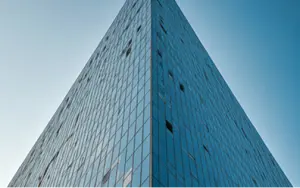
VERTICAL LIVING: THE NEW LUXURY PARADIGM

Sustainable architecture is transforming the way we design and build modern cities. By focusing on energy efficiency, environmental responsibility, and occupant well-being, architects can create spaces that meet today’s needs without compromising future generations.

Why Sustainability Matters

As urban populations continue to grow, the demand for resources and infrastructure increases significantly. Sustainable design helps reduce energy consumption, lower carbon emissions, and promote healthier living environments. It also supports long-term economic and environmental goals.

Environmental Benefits

Green buildings use fewer natural resources and produce less waste throughout their lifecycle. Features such as solar panels, efficient insulation, and rainwater harvesting systems contribute to a smaller environmental footprint while improving overall building performance.

Energy Efficiency Strategies

Modern sustainable buildings often incorporate passive cooling techniques, natural ventilation, smart lighting systems, and renewable energy sources. These strategies help reduce operational costs and improve energy performance over time.

Smart Building Technologies

Technology plays a vital role in sustainable development. Smart sensors, automated climate controls, and intelligent energy management systems enable buildings to adapt to user needs while minimizing resource consumption.

Looking Ahead

The future of architecture lies in creating resilient, adaptable, and environmentally conscious spaces. By embracing sustainable principles, designers and developers can contribute to healthier communities and a more sustainable world.

Key Features of Sustainable Buildings

  • Energy-efficient lighting systems
  • Renewable energy integration
  • Water conservation measures
  • Sustainable construction materials
  • Improved indoor air quality

Common Sustainable Design Approaches

  1. Passive solar design
  2. Natural ventilation
  3. Green roofs and living walls
  4. Rainwater harvesting
  5. Smart energy management systems

Sustainable architecture is not just a design trend; it is an essential approach for creating a better future. Through innovation, responsible planning, and advanced technology, the built environment can become more efficient, resilient, and environmentally friendly.

INSIDE OH: OUR COLLABORATIVE DESIGN WORKSHOP

A behind-the-scenes look at how we iterate designs from sketches to 3D models.